Understanding our Unique Environment
Arizona State University scientists that are associated with the Central Arizona-Phoenix Long-Term Research (CAP LTER) project have been studying urban ecology since 1998.
Through Ecology Explorers we encourage students and teachers to study the impact of urbanization on our ecosystem and contribute to a better understanding of our desert city.
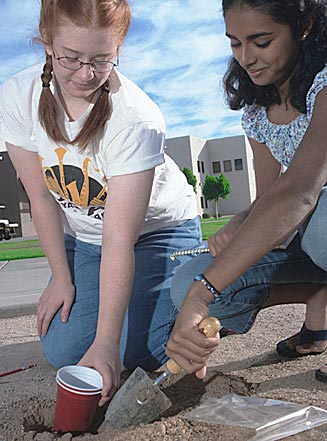
- Students use the same methods as CAP LTER scientist to collect data on insects, birds, and plants in their schoolyards and backyards
- Classes around the Valley analyze and share results with each other through the on-line database
- Conducting these long-term studies help students better understand how the built and natural environment interact in a sustainable city
- Resources on the Ecology Explorers website include:
- Inquiry-based activities related to local themes such as the urban heat island
- Interactive animated games about historical land use and bird identification
- Dynamic visual aids, including slide sets and “Meet the Scientist” videos
Student Benefits
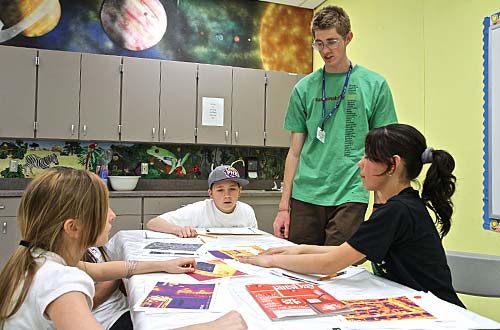
- Participate in an Arizona State University research project
- Opportunities to ask scientific questions about their own environment
- Experience using scientific field methods
- Information to make choices about their local ecosystem
“Thank you for helping us understand that we’re not just kids, but scientists. Thank you, also, for this mind changing experience.” – Student, East Valley
“I learned how much humans really make an impact on the natural environment and how much we can change to lower that impact.” – Student, West Valley
Teacher Benefits
- Professional development workshop on urban ecology topics
- Classroom visits by scientists
- Authentic science inquiry in the schoolyard
- Protocols for collecting data and an online database
- Curriculum resources and lesson plans that incorporate Arizona State Standards and the Next Generation Science Standards
“This research is exactly what I’ve been looking for. It will provide relevance to the curriculum. Thank you.” – High School Teacher
“Our workshop experience influenced our ability to work together to provide a powerful, inquiry-based learning experience that was enjoyed by all students.” – Team of Middle School Teachers, Kyrene ESD